
Find a Way IN, Not a Way OUT: How to Modify Training Around Injuries

Summary
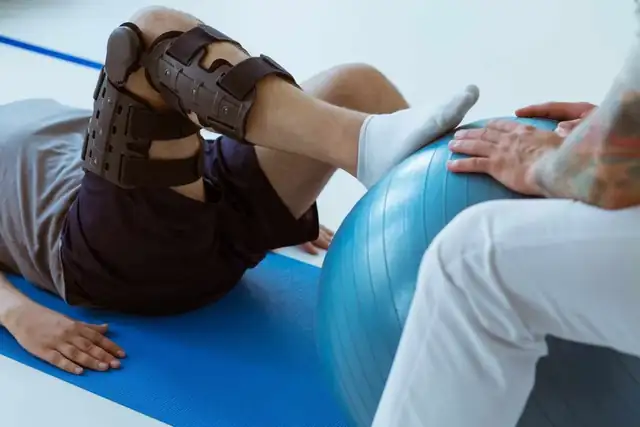
When athletes arrive injured, coaches don’t have to shut down training. Cole Hergott shows practical tweaks—lightening load, changing implement, swapping movements, isolating unilateral work—to keep them engaged, protect performance, and build resilience without worsening injuries.
Introduction
“Hey Coach, I hurt my X this weekend. What should I do for the lift?”
If you have worked with athletes for even a week there is no doubt in my mind that you have heard this statement at least once. If you have been working in a university sport setting with over 300 athletes for over 6 years like I have, then this question has been asked of me more than times than I care to count. (Which has made me pretty good at answering it.)
In this article I want to give you some very practical ways you can modify lifts for you athletes if they come in with an injury, especially if they haven’t seen a therapist/physio yet and haven’t been given any recommendations/contraindications.
I also want to make it very clear that the info in this article is not meant to be taken as medical advice or in substitution for another professional’s advice (physio, athletic therapist, etc). This is simply meant to give you some hands-on skills to use in the moment when the question above gets asked so you aren’t standing there like a deer in the headlights.
Rule #1: Do No Harm (or No Further Harm)
Do no harm. While this rule applies to a normal training session, it doubles when an athlete comes in with an injury already. While I am going to give you some suggestions to help modify and make due with what the athlete has, saying “Just skip that exercise” is NEVER a wrong answer. Optimal? No. But you are better off having them make it through lift okay than you trying to jimmy-rig an exercise that only hurts them more. So I wanted to clarify that right off the start.
Rule #2: Find a Way IN, Not a Way OUT
This has become one of my favourite quotes to say to athletes and they all love it. The point behind it is that too many people are looking for a way to get out of stuff. (“Oh my nose is stuffy, so therefore I am “sick” and can’t go to class/practice/lift and will just watch Netflix all day”).
As you will learn through this article, I HATE that mindset and I push back HARD against it. Life is hard. But it gets even harder if you just lie down and let it beat you up. I am trying to instill resilience and creativity in my athletes so they find solutions and not just problems. Hence the quote that has become a mantra around our weightroom over the last year or so.
So how do we “find a way in”? Let’s chat about it.
Find a way IN, not a way OUT, says @chergott94 on modifying training around injuries Share on XHow to Modify for an Upper Body Injury?
One of the most common injuries athletes come in with occurs to one of their upper limbs. It might be a jammed finger, a dislocated thumb, or a sub-luxed shoulder. But regardless of what it is, lifting and holding weights now becomes an issue.
For me, I have a mental framework I go through anytime the athlete presents a new injury and needs modifications:
Can they just do the exercise?
You see, many athletes are paranoid of exercising when they get hurt (oftentimes NOT made better by other health professionals telling them to take the day off from a stubbed toe… but I digress). Anyway, sometimes they can still do what you need them to without any issue. So I always start by asking them if they feel they could still do it, or how confident they feel in doing the exercise.
Can they just go lighter?
While I am not a fan of “going light”, one of my colleagues once said “motion is lotion” and I really like that. Sure you might not be able to hold a heavy DB for rows, but even rowing with a lighter weight is better than nothing and that increase in blood flow to the body can help with the recovery process. So if they can do the same thing but lighter, then go for it.
Can they do it with assistance?
This one is specific to a hand injury, but if they jammed a finger or two and have a hard time gripping something, then we have some straps or “claws” (see below) that can allow them to still do any grip exercise (deadlifts, rows, etc) with minimal change.
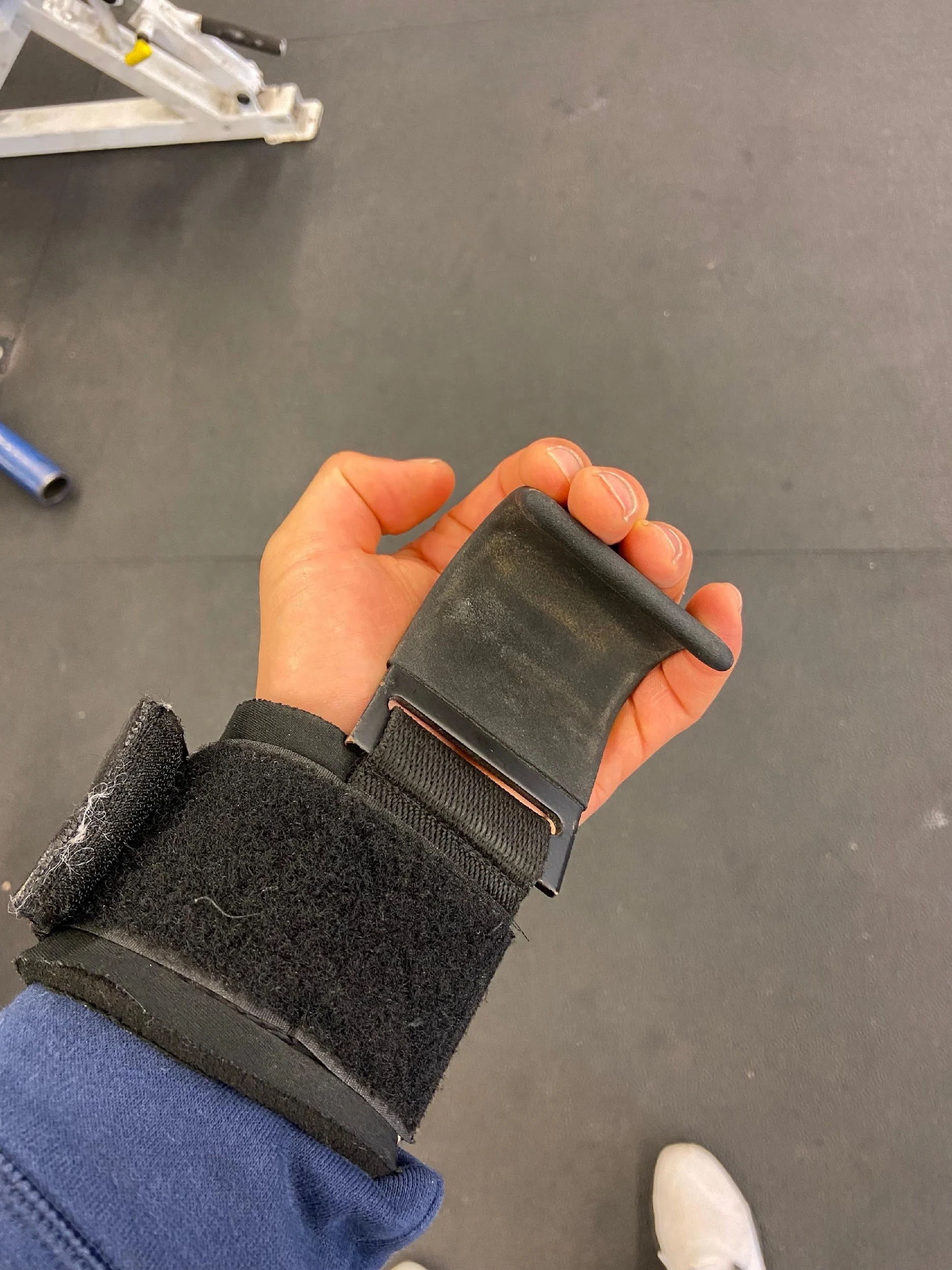
Image 1: “The Claw” that allows us to grip bars and dumbbells when hand injuries occur
Can they do it with a different implement?
This one is specific to an upper body injury but needing to do lower body exercises. While it might not be feasible to load the bar on your back with a shoulder injury or go into a front rack position, do you have access to a safety squat bar? Or a belt squat machine? Can they simply hold weight in a goblet position?
Again, we are looking for a way IN, not OUT. So anything is better than nothing (as long as it doesn’t increase their injury risk in that moment)
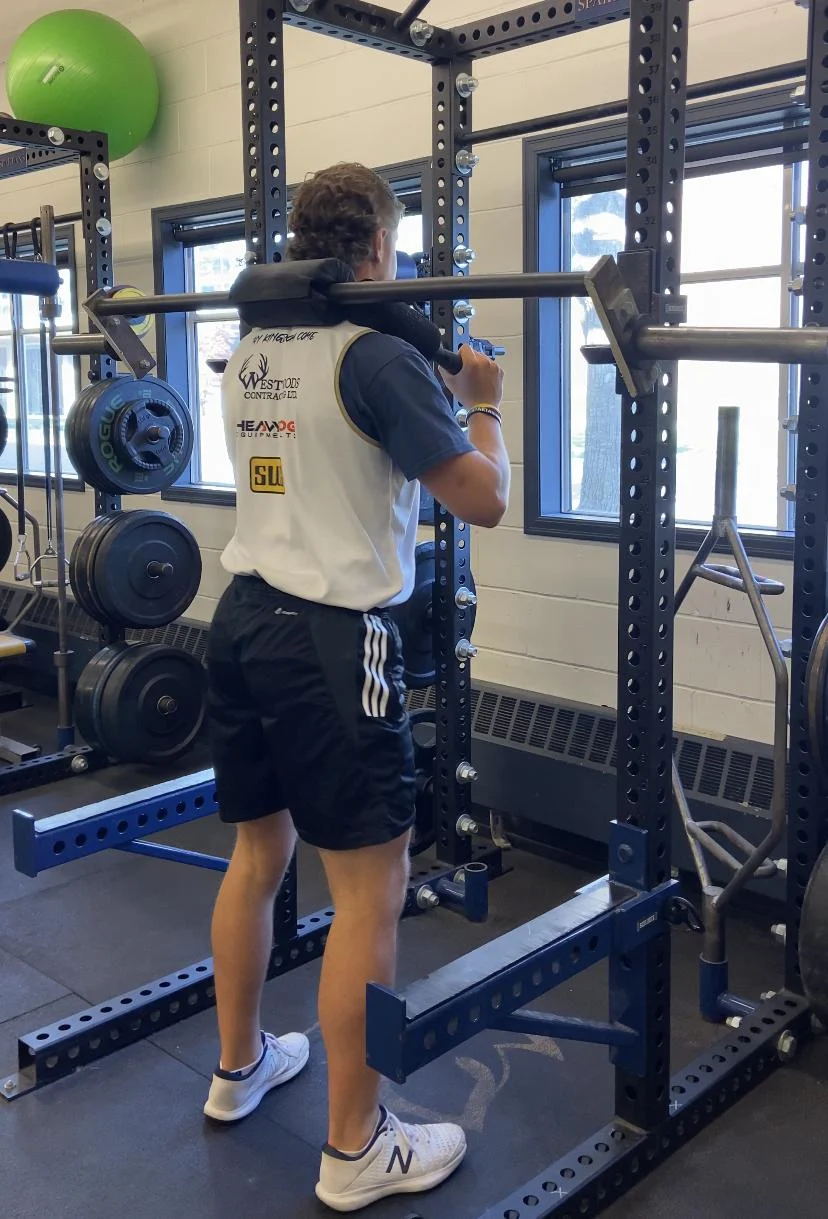
Image 2: Safety Squat Bars can be a great way to load the lower body with minimal upper body interaction
Can they do it on one side?
One of my last options is always looking if they can at least do it on one side. If you have never heard of cross-education, it is the phenomenon that training one side of your body can transfer some of the training effects to the untrained limb. I know, it sounds like voodoo science but it is legit.
So again, instead of skipping a shoulder press altogether if an athlete has a bum shoulder, at least get them to do a single arm press with a dumbbell on their healthy side.
What can you swap it out for that won’t cause pain?
Another common option is to look for a different exercise that hits a similar movement or muscle without causing pain. For example, if an athlete can’t raise their arm over their head because they hurt their shoulder, but they can raise it to 90 degrees with no pain, then maybe we switch the overhead press to lateral dumbbell raises. Or we switch a chin-up for a banded or cable pulldown. Same but different. Still gives them a training stimulus and doesn’t increase their pain or worsen the injury. Finding exercises with bands I find is better for the grip (as you can sort of wrap it around their wrist to lessen grip demand) and allows you to work through different ranges of motion in various planes.
The idea is to keep Plan B as close to Plan A as possible. For example, I once had an athlete who couldn’t do squats due to a hip issue and asked if he could bench press instead. Nice try man, but that ain’t it.
How to Modify for a Lower Body Injury?
The same principles and questions apply with a lower body injury as they do with an upper:
Can they just do the exercise?
Again, your knee might hurt, but squatting might not actually bug it. Give it a try. If it still bugs you…
Can they just go lighter?
Yes, squatting 315 hurts, but maybe 225 is alright. Go for it. I always give athletes the “yellow light” on things like this as I tell them “I don’t know what it feels like or how bad it hurts. You have to be the judge if this is helping it or hurting it”.
Can they do it with assistance?
This only applies to a few exercises, but maybe you were planning to do pistol squats, but that full range is bothering the athlete’s hip. Shortening the range to a Single Leg squat to box or Step-up might be okay. So not really assistance but changing the range to what is comfortable works just as well sometimes.
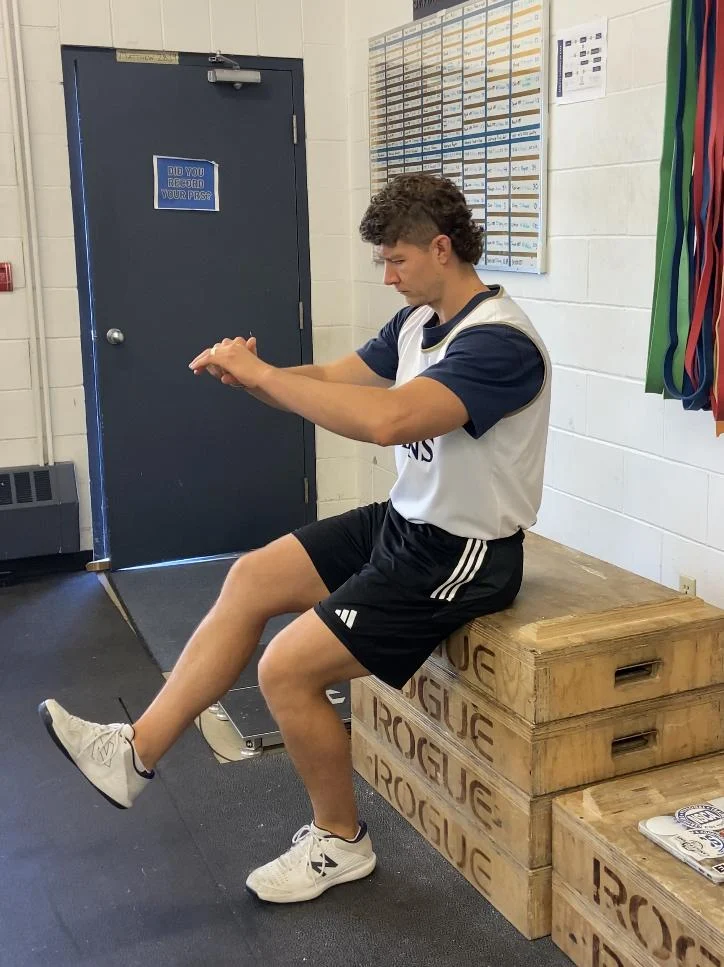
Image 3: Switching deeper squatting motions for shortened range ones can help load the body without doing more damage
Can they do it with a different implement?
This one doesn’t change much for lower body injuries in my opinion. A safety squat bar won’t take away your hip pain from a back squat, and using a trap-bar won’t protect your hamstring more than a barbell would for Romanian deadlifts. So when it comes to hip, knee, or ankle injuries that limit one or more limbs, sometimes you have to move on to…
Can they do it on one side?
Not a single leg back squat, but a pistol squat, a lunge variation, or a single leg RDL can all be great alternatives to other main movements. Again, doing it on both is the main goal, but training one side is better than nothing, so finding a way to do that is for sure a way IN.
What can you swap it out for that won’t cause pain?
This is where you may have to give a little on the movement category to keep it more general to the lower body. For example, if an athlete has knee issues, then maybe switching to a hinge pattern works better. Or vice versa with a hamstring issue.
Or you can manipulate the movement/set-up. For example, if you keep your knee back in a split squat or lunge by having a wider stance, then the load shifts from your knee to your glutes, which can help protect the knee. Small shifts, but keeps it the same and allows the athlete to keep training.
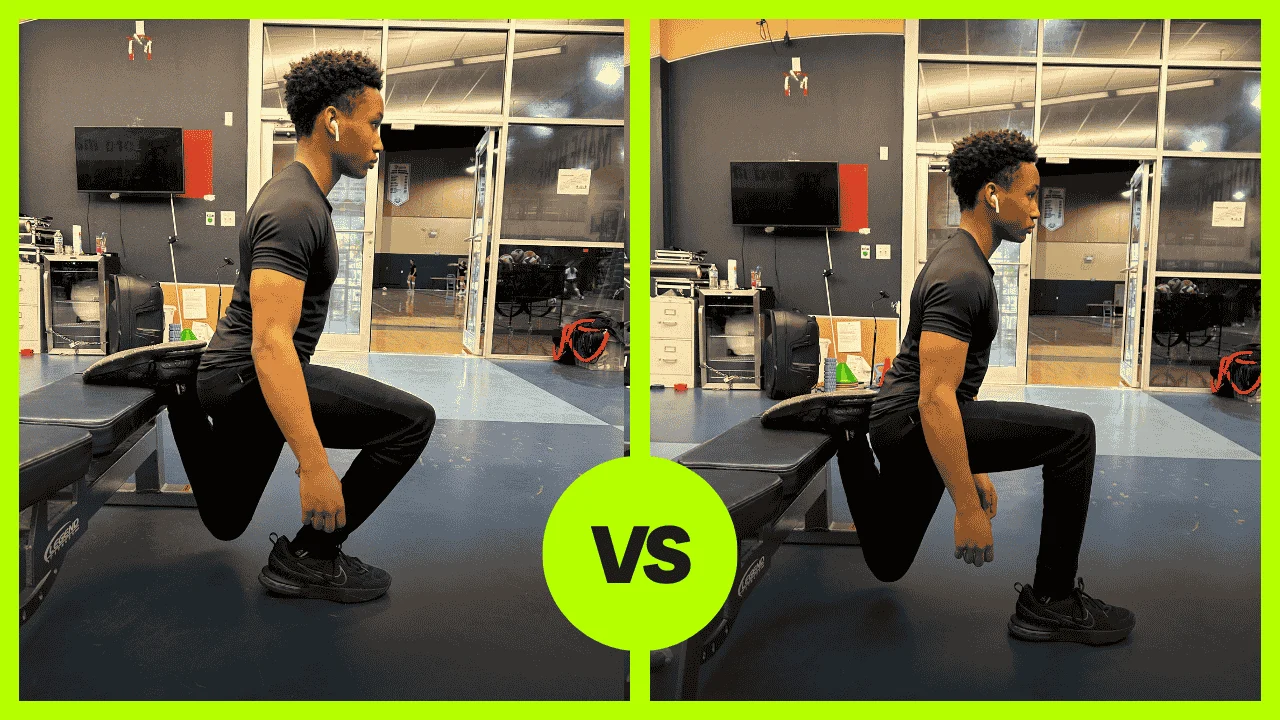
Image 4: Using different split squat stances to stress quad dominance or hip dominance to navigate around pain
How to Condition While Injured
Something that doesn’t often occur when dealing with an upper body injury but does when dealing with a lower body one is conditioning ideas. If it is just for the day (contusion), then you might not have to deal with it, but with an injury that is going to last a week or more means you need to consider their fitness options. With an upper body injury, they hopefully can still run and/or bike, which means you can just give them simple interval protocols or longer rides/runs and they should be okay. If running is too jarring for their shoulder, then keeping them on the bike for the time being is okay.
If they have a lower body injury that limits their running and/or biking then we need to get creative. I have used medicine ball circuits, made them go swimming, used the arm cranks on an assault bike, or utilized a SkiErg. Not perfect, but better than nothing and keeps them engaged, minimizes overall fitness loss, and helps them find a way IN.
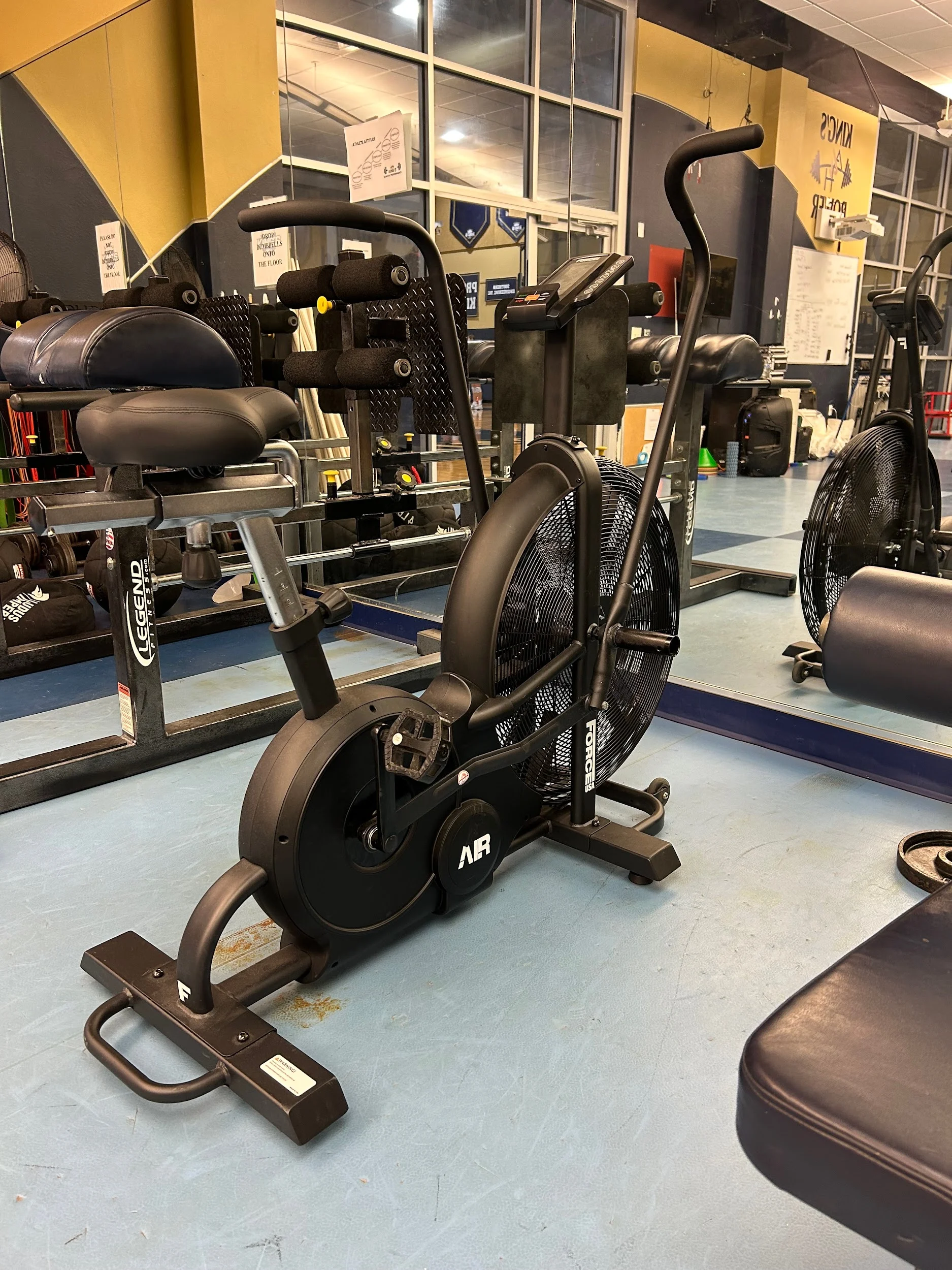 Image 5: Air Bikes can be a great conditioning option for athletes with lower body injuries as it allows use of the upper body
How to Lift When You Can’t Load the Spine?
Another special case is an athlete with a back injury who has been told not to “load their spine”. This has happened a few times for us here and my solutions become:
Load using machines that don’t directly load the spine.
Use something like a belt squat machine to still load the lower body bilaterally with higher loads.
Be smart with positioning.
By using dumbbells and choosing movements where you can stay more upright, like a split squat, you minimize load on the back.
Look to Unilateral Lifts.
You can find ways to make the body apply force without having load on/through it by using more difficult unilateral lifts like a Single Leg Squat to box, Pistol Squats, etc.
Feel Out How to Train Upper Body.
The athlete may need to feel out different options to find which positions are comfortable for upper body work. Seated might feel better, might feel worse. Find out which is better and do that one. Be cautious of lying down. I once had an athlete who bruised her tailbone and couldn’t bend over. Her biggest struggle was that she couldn’t get up off a bench without it hurting really bad, so we just avoided all sitting/lying exercises for a few days to minimize that.
Head Injuries
Last special case, the dreaded concussion. While I could go into a huge rant on what I think we should do with our concussion RTP athletes based on the literature, my stock answer is that we can’t do much with a head injury until they are cleared, so there really isn’t a cool or unique workaround for that. Just wait until they are cleared to lift again, start them really light, then progress until they are feeling 100% and back to their normal self.
Conclusion
At the end of the day, as I started out saying, it is crucial that we keep these kids healthy, even if it means skipping exercises. While I don’t like doing that, it is much better than hurting them with something radical (or just wasting your time). Creating an environment where athletes learn to find a way in and keep getting better no matter what allows them to come back better from their injury, helps them stay involved with the team as much as possible, and makes for a quicker and more successful recovery. Lastly, having some questions or a framework like I do can be a gamechanger in quickly deciding what to do or what to try next (triaging).
While keeping athletes safe is rule #1, as I already said, rule #2 is helping them stay a part of training and getting better.
Get creative, build some resiliency, and be adaptable.
And remember- Find a way IN, not a way OUT.
Peace. Gains.
Creating an environment where athletes learn to find a way in and keep getting better no matter what allows them to come back better from their injury, says @chergott94 Share on X
